My name is Lena Hart. I’m 27 years old, and I come from a family in Lancaster County that always looked picture-perfect from the outside. Chloe, my younger sister, was the fragile one everyone rushed to protect, while I was the strong one they leaned on until there was nothing left of me to lean on. I spent most of my life feeling like a guest in my own home, pretending I didn’t notice how easily I was forgotten whenever I wasn’t needed. Maybe that’s why what happened on the morning of my graduation shouldn’t have shocked me—but it did. Because falling to the ground in front of hundreds of people wasn’t the real collapse. The real collapse came afterward.
I didn’t understand it at the time, lying on my back in the middle of the graduation field with sunlight burning through my eyelids and someone shouting for a medic. All I felt was the cold rush of air as my gown billowed around me, the ground tilting like I’d stepped off the world instead of a stage.
When I came to, I was staring at a ceiling. I knew too well the ER bay at Boston General, monitors chirping like they were trying to scold me awake. A nurse hovered above me, her voice calm but edged with concern.
“Lena, can you hear me?”
I tried to nod. My neck barely moved.
“You fainted. Severe exhaustion. Dehydration,” she said. “You’re lucky you weren’t alone.”
Lucky. That word burned more than the IV needle in my arm.
I blinked at the harsh white lights, waiting for the room to settle, waiting for some familiar voice to appear at my bedside. I thought maybe this was the moment my parents would prove me wrong. Maybe they’d show up breathless, apologizing, insisting the day mattered.
They didn’t.
Hours passed in quiet beeps. Serena texted. Evan checked in with the attending, trying not to hover but failing. Miguel sent a picture of a thermos of soup with the caption:
“Waiting when you’re home.”
But my family? Nothing. Not one call, not one message, not one sign they knew or cared.
When they finally discharged me, I stepped into the cool Boston evening wrapped in a hospital blanket, my gown stuffed in a paper bag. My legs wobbled. I told myself it was the IV. The truth sat deeper than that.
My apartment was dim and silent when I walked in. I dropped onto the couch, pulled out my phone, and tapped the screen.
75 missed calls.
The number hit me like a second collapse. Mom. Dad. Home. Chloe. Their names stacked on top of each other in red texts, buzzing like an alarm that had been ignored too long.
But none of those calls came during the ceremony. None during the ambulance ride. None while I was lying in a hospital gown hooked to machines.
My fingers trembled as I scrolled upward through the messages. And there it was, sent hours before the first missed call: a photo from Chloe. The whole family standing around a grill in our backyard, sunlight soft on their faces. Everyone smiling like they were starring in a commercial for togetherness. Chloe in the center, holding a plate stacked with food.
Caption: family day without the drama.
The words punched the air out of my lungs. I stared at the screen until my vision blurred, until the edges of the room softened, until the only thing I could hear was my own heartbeat pounding against the silence.
If they didn’t care about my collapse, then why the flood of calls afterward?
When I opened the next message and saw the attached document with my name on it, the question answered itself. The ground underneath me shifted again, but this time I didn’t fall. Not yet.
I stared at the document on my phone, my name printed in a signature I hadn’t written. My chest tightened as the room seemed to tilt again. But the dizziness didn’t pull me under this time. It pushed me backward instead—into memories I thought I’d buried well enough to forget. It pushed me home.
Lancaster County always looked almost too peaceful. The kind of place people photographed for postcards or highway ads about simple living. White fences, rows of tidy houses, kids riding bikes through cul-de-sacs where neighbors waved from porches. From the outside, our home fit the setting so perfectly that no one ever thought to look closer.
But I knew the difference between what people saw and what lived underneath.
Inside our house, everything orbited Chloe. I don’t remember the first time someone called her delicate, but I remember how the word grew. It started as an excuse when she cried at the smallest things, then became a mantra. Chloe’s sensitive. Chloe needs extra attention. Chloe can’t handle too much stress.
My parents built their entire world around protecting her from anything uncomfortable, anything messy, anything she didn’t want to deal with. And I became the buffer.
“You’re the strong one, Lena,” my dad liked to say. “You can handle more than most.”
It always sounded like praise, but it functioned like a job assignment. The more he said it, the more invisible my own needs became.
By the time I was eight, I could already predict how our house would react to Chloe’s moods. If she was upset, the entire family environment bent around her. Dinner plans changed. Voices softened. Apologies rolled out like carpet. If I was upset, the house didn’t bend at all. I was expected to straighten up and keep the peace.
I learned to keep my voice quiet. I learned to fix things before anyone asked. I learned that being easy was the only way to be loved.
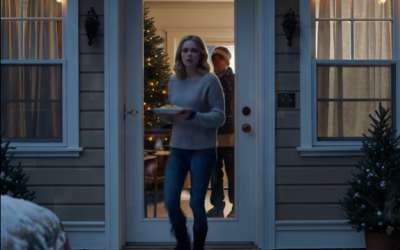
I didn’t realize how deep that training went until years later. One memory still clings to me like frost: a winter evening when I had a fever so high my skin felt like it was humming. I curled up on the living room couch under a scratchy blanket, shivering so hard my teeth clicked.
Chloe’s recital was that night, a holiday performance her entire middle school class had been rehearsing for weeks. Mom zipped her into her costume while fussing over her hair and shoes. Dad paced near the door, checking the time, urging them to hurry.
I tried to ask Mom to stay. I think I said something about feeling like the room was spinning. She pressed a cool hand to my forehead, frowned at the heat under my skin, and said:
“Sweetheart, just rest. You’re strong. You’ll be fine. Chloe really needs us tonight.”
And that was it. The front door slammed behind them. The house went quiet except for the hum of the heater clicking on and off. I remember staring at the little ceramic snowman on the coffee table, watching its painted smile, and thinking how unfair it was that something so still could look so warm while I felt so cold.
I was twelve—old enough to understand, too young to know I’d remember it forever.
Mom and Dad didn’t mean to be cruel. That was the hardest part to admit. They were just so used to me holding everything together that it didn’t occur to them I could fall apart too.
Chloe, on the other hand, became an expert at getting what she wanted. If a chore upset her, I did it. If a friend hurt her feelings, my parents blamed the friend. If she failed a test, they told her teacher she was overwhelmed. When she broke a vase while dancing in the hallway, she burst into tears—and without even thinking, I said it was my fault.
I spent the weekend grounded while she went to a sleepover. No one asked why I did it. They’d already decided the roles: fragile Chloe, strong Lena. Case closed.
Birthdays marked the difference more than anything else. Chloe’s were extravagant—balloons everywhere, themed cupcakes, twenty kids in the backyard, presents stacked so high you couldn’t see the table. Mine were a quiet dinner, a store-bought cake, parents too tired to promise much beyond:
“We’ll celebrate properly next year.”
Next year never came.
For Complete Cooking STEPS Please Head On Over To Next Page Or Open button (>) and don’t forget to SHARE with your Facebook friends.